CURRENT PROJECTS
Belle-Terre
Phase 1
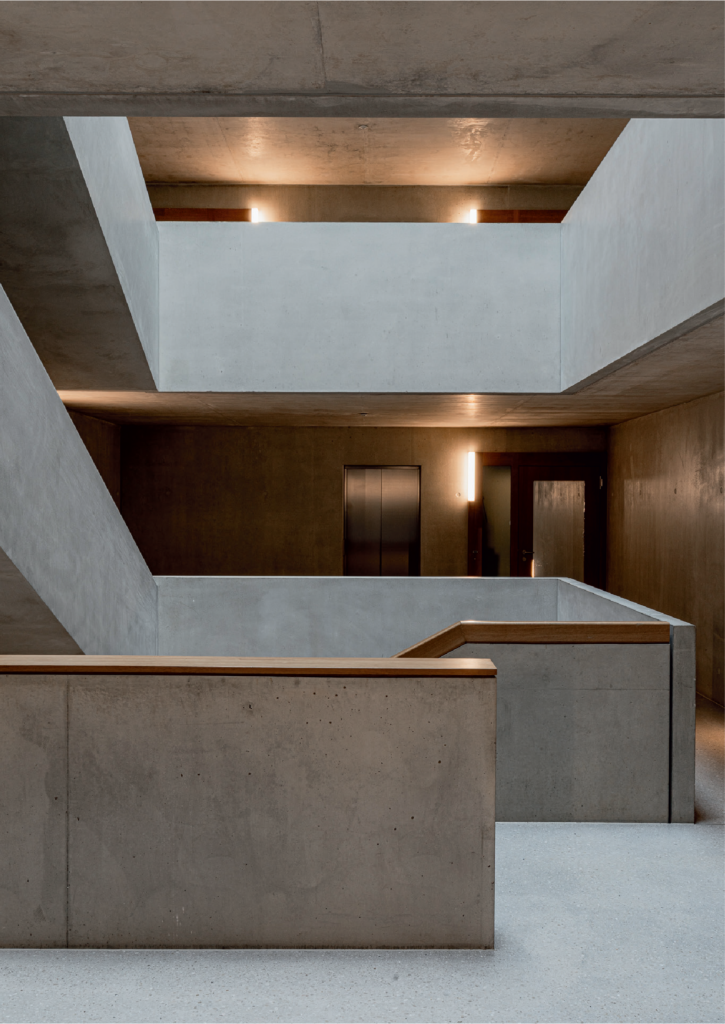
In Thônex, in the Geneva countryside, the first phase of the Belle-Terre neighborhood was designed and built collaboratively and harmoniously by four architectural firms
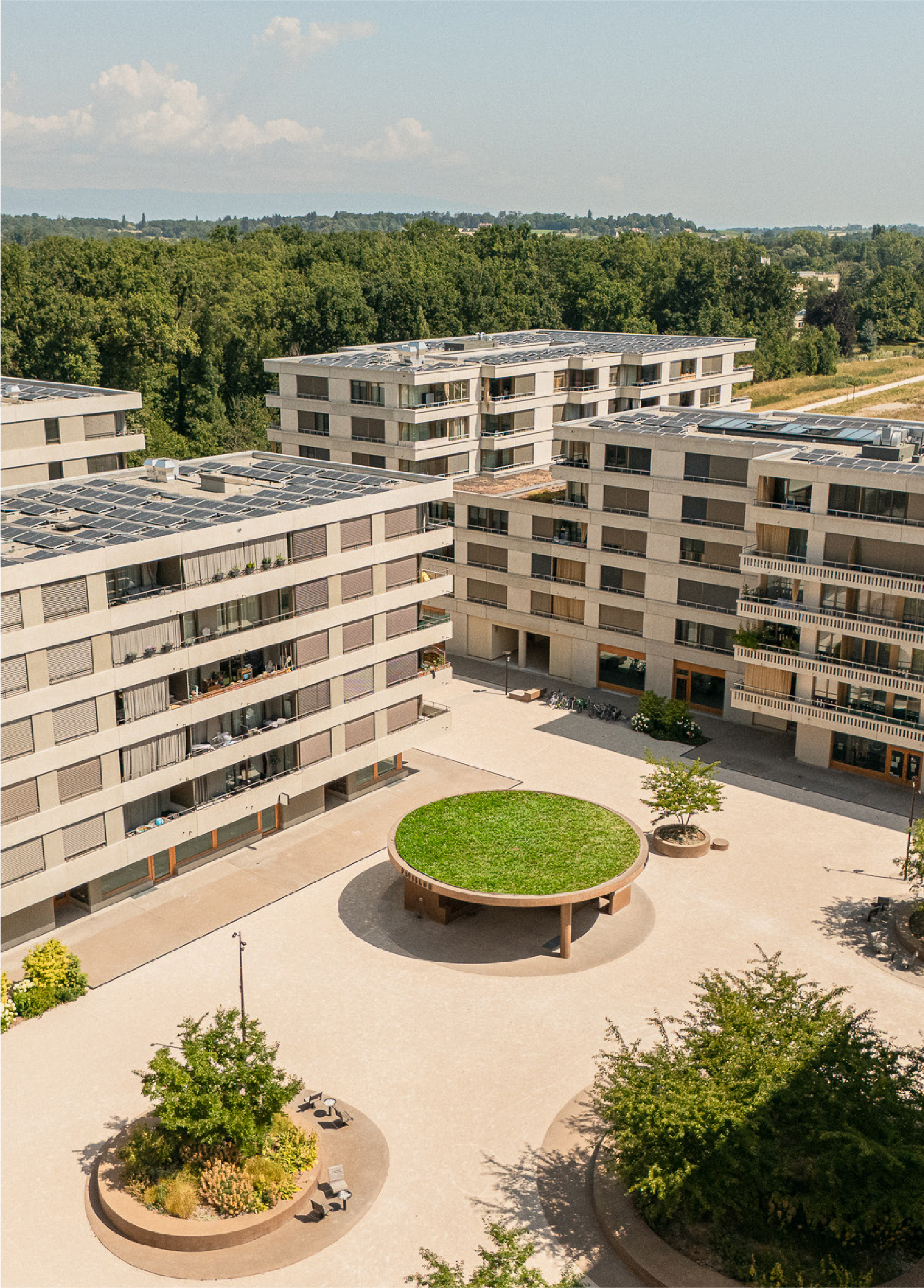
Often cited as a remarkable example of contemporary urban planning in French-speaking Switzerland, the Belle-Terre project—the first 600 housing units of which were completed a few years ago as part of the first phase—will be home to more than 6,000 residents by 2035. Set within the broader Geneva landscape, it forms a vast eco-neighborhood —designed to bridge the gap between the city and nature—that embodies key principles of sustainable development.
Read more
This ambitious project, designed in three phases, is the result of a harmonious collaboration between public and private sector stakeholders. A comprehensive approach and innovative governance brought together four architectural firms, which designed a living environment that balances high-quality density, proximity to services, and social cohesion. “We have been working for more than 10 years on the Belle-Terre project, which is set to provide 2,700 housing units spread over 38 hectares in the suburbs of Geneva by 2035. The scale and excellence of this project have already been praised by numerous experts and industry publications.”
Gilles Aknin
Belle-Terre
, Phase 2 (2028)
The Belle-Terre neighborhood, designed to be built in three phases, will be fully completed in 2035: it will be home to more than 6,000 new residents, who will account for 40% of the municipality’s population. The second phase will be completed in 2028. It will adhere to the key guiding principles that shaped the design and construction of the first 600 housing units during the first phase: a priority on green spaces, a strong connection to the landscape, a high-quality density conducive to social cohesion, and vibrant ground floors that bring together homes, shops, public facilities, and services.
Read more
This major urban project addresses Geneva’s demographic challenges and the scarcity of available land while introducing a new approach to real estate development, centered on a symbiotic relationship between the landscape and the built environment. This vision, supported by innovative governance methods, transforms a once-isolated site into a dynamic, welcoming, and intergenerational living environment guided by the principles of sustainable and generative development.